Scope an AI visibility engagement around what you can commit to: the monitored prompt set, review cadence, content work, exclusions and reporting. Includes a copyable statement-of-work checklist.
A 30-minute weekly agenda for AI search: read the week, check the alerts, test the evidence, decide, assign. Includes a copyable meeting template and a worked example.
A copyable handoff for editing one existing page after an AI citation gap: the change, the evidence, the scope, and acceptance criteria an editor can check alone.
A developer can only fix what they can reproduce and verify. A copyable template turns an AI site audit finding into a ticket with a URL, an observation, expected behaviour and an acceptance check.
A kickoff intake that collects goals, approved facts, brand names and buyer decisions before you track anything, with a copyable questionnaire and a worked example.
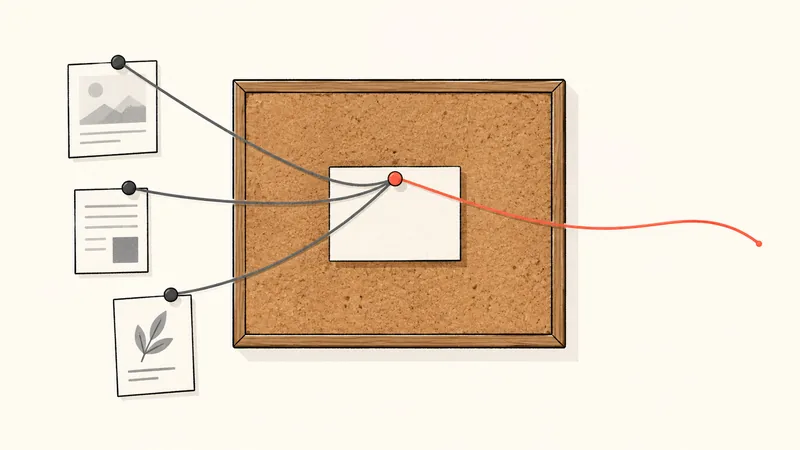
When an AI answer repeats a wrong claim from a page you do not own, ask the publisher to fix the page. A four-part evidence packet and a copyable email make the request easy to approve.
An AI answer names your brand but links nothing. Use a claim-strength checklist to say what that shows, what it cannot show, and why it never reveals a training source.
An AI answer links your page yet recommends someone else. A step-by-step investigation and a copyable sheet separate what the answer used from what it recommended, and what that cannot prove.
Compare the runs you planned with the answers you collected and analysed. A worksheet for measuring AI monitoring completeness before you read any visibility number.
A chart-review checklist for AI visibility reports: denominators, missing periods, collection changes and axis choices, so a small move is not drawn as a big one.
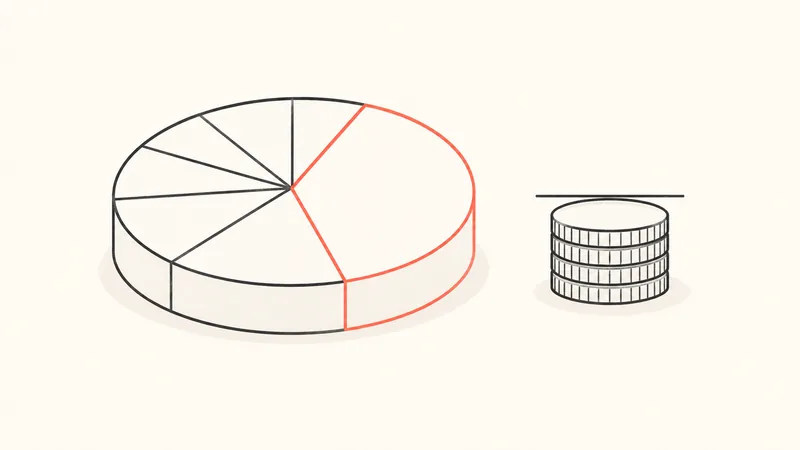
Share of voice is a ratio against the competitors you track, so it can climb while your own mentions do not move. Here is why, with a worked example and a two-metric reporting pattern.
Seasonal buying questions distort an always-on AI visibility trend when they are pooled in. Tag them, give them dates and their own comparison period, and use the calendar template.
There is no universal number of days. A readiness checklist shows when a new project's results move from a first observation to a provisional read to a baseline you can report.
Adding prompts changes what your AI visibility rate measures. Freeze a comparison cohort, keep growing the live set, and use a copyable cohort register to report both honestly.
App answers and API answers are different populations. A copyable segmentation convention and migration note template keep your AI visibility reports from mixing them.
Two teams can read the same AI answers and report different citation rates. Work through answer, citation, URL and domain denominators with a worksheet that fixes the definition beside every number.
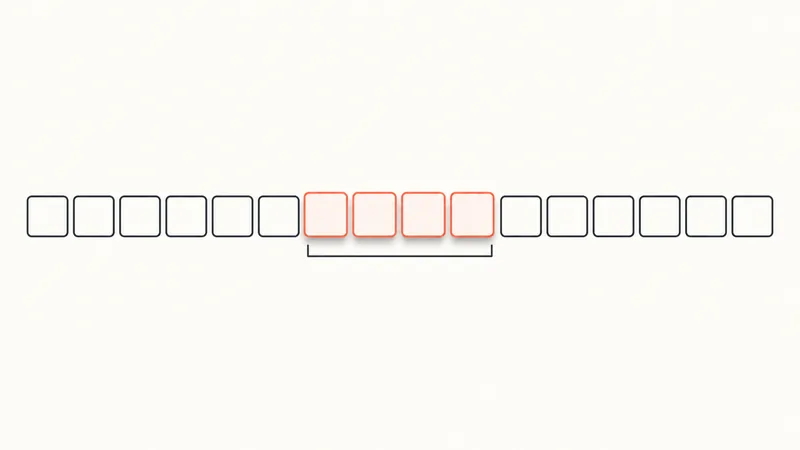
Days when no AI answers were collected can bend a visibility trend without any real change. A worked example and a copyable missing-data checklist show how to choose a comparable window.
A missing AI result can mean your brand was not named, the engine showed no answer, or collection failed. A run-log method and legend keep the three apart.